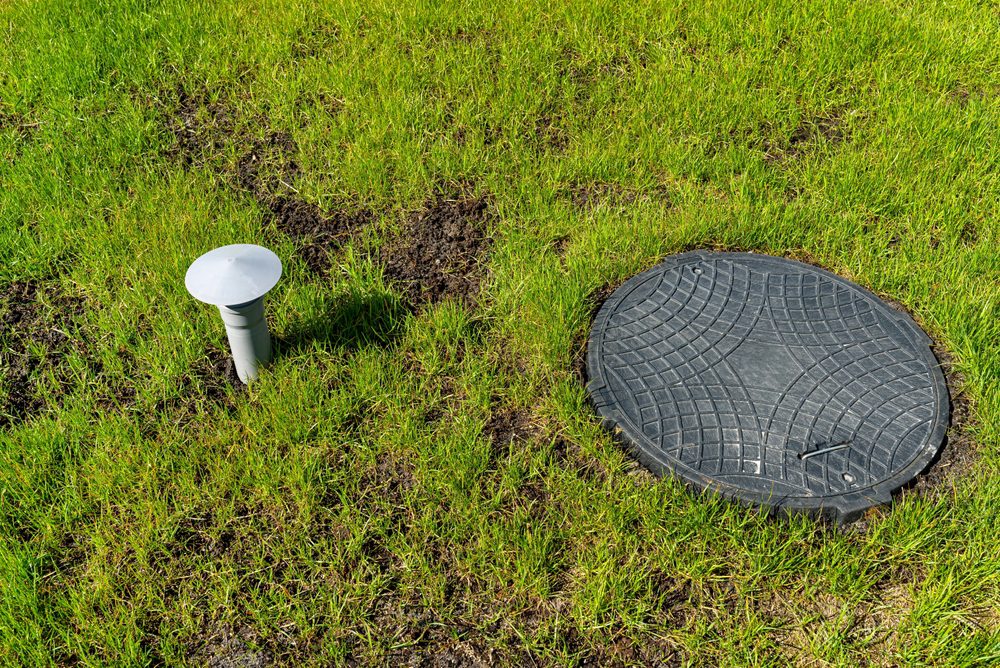
If you have a well and a septic system at your Frederick County property, fall is the perfect season to get those checked before the onset of the cold months. Your well provides your water for household chores, while the septic system manages the discharge of wastewater from your house.
The cold weather poses other challenges for residents; frozen pipes and increased water consumption during holidays could be other considerations.
1. Check Your Well and Septic Records
If you purchased rural land or inherited an old home, you might not be aware of when your septic tank was last cleaned out or where your system components are located.
Before making any plans to conduct maintenance on the system, ensure you have the following information:
- The locations of your well, septic tank, and drain field.
- The septic tank’s size and installation date, if available.
- Records of previous inspections, pumping, and repairs.
- Maintenance requirements for pumps, alarms, or other system components.
The EPA’s septic system maintenance record provides a way to track service dates and other important details.
If records are missing, Frederick County’s well and septic information explains how to request available property records.
2. Inspect Your Septic System and Review Its Pumping Schedule
Your septic system needs to be pumped out regularly every three to five years depending on the size of the tank, occupancy of the household, amount of water consumption, and buildup of solid waste in the tank.
The task should only be done by a licensed septic service contractor. While doing your inspection in your yard, check for signs like:
- Slow drains or recurring backups: Several fixtures draining slowly or toilets backing up repeatedly may indicate a blockage or septic system problem.
- Wet ground near the tank or drain field: Persistent soggy areas or standing wastewater may indicate a drainage issue.
- Sewage odors: Unpleasant smells around the system or inside your home should be investigated.
- Unusually green grass: A noticeably greener patch over the drain field can sometimes indicate excess moisture, especially when accompanied by other warning signs.
These symptoms don’t necessarily indicate that there is any problem with the septic system. The problem may also arise due to clogging of your home’s drainage pipes, and hence you must identify the problem before repairing.
Information about septic system care is available in the Frederick County septic system maintenance manual.
3. Protect the Drain Field and Reduce Wastewater Strain
Outdoor activities and increased home activity during fall season can affect your septic system. Consider the following tips:
- Keep vehicles and heavy equipment off the drain field. Their weight can compact soil and damage buried pipes.
- Keep trees and large shrubs away from septic components. Roots can interfere with pipes and other parts of the system.
- Direct downspouts away from the drain field. Excess rainwater can saturate the soil and interfere with wastewater treatment.
- Be careful about what goes down the drain. Avoid flushing wipes, including those labeled flushable, and do not pour grease, oils, or unsuitable chemicals into household drains.
- Spread out laundry loads. Running several loads back-to-back can send too much water into the system at once.
4. Test Your Well Water and Check the Pump
Clear water is not necessarily safe to drink. Some contaminants have no noticeable taste, smell, or color, so regular testing matters even when your water looks normal.
Follow a regular testing schedule for your private well, and arrange additional testing after flooding, well repairs, or contamination concerns.
Putman Plumbing offers onsite water testing and laboratory sampling to help homeowners assess their water quality.
Also, pay attention to changes in your well pump and pressure tank. Watch for:
- Fluctuating water pressure: Showers or faucets that repeatedly lose pressure may indicate a problem with the pump, pressure tank, or controls.
- Frequent pump cycling: A pump that repeatedly switches on and off when little water is being used may need attention.
- Sputtering faucets or unreliable water flow: These changes can indicate a problem with the well system or plumbing.
- Unusual noises or visible leaks: New sounds around the equipment or moisture near accessible connections should be checked.
At Putman Plumbing, we install and service well pumps, constant-pressure pumps, and pressure tanks.
5. Prepare the Wellhead and Exposed Pipes for Freezing Weather
Before the first hard freeze, inspect your wellhead and plumbing in unheated areas such as garages, crawl spaces, basements, and well houses.
- Check the well cap. Make sure it is secure and shows no visible damage.
- Clear leaves and debris. Keep the area around the wellhead clean and accessible.
- Store chemicals away from the well. Keep fuel, pesticides, and other potential contaminants away from the water source.
- Protect exposed pipes. Replace damaged insulation and seal drafts that allow cold air to reach plumbing.
- Disconnect outdoor hoses. Remove garden hoses before freezing temperatures arrive.
- Locate your main water shutoff. Knowing how to stop the water supply can help limit damage if a pipe bursts.
If the well cap is damaged, arrange an inspection. If a pipe is leaking or your water supply becomes unreliable, have the problem assessed rather than attempting electrical or pump repairs yourself.
Get Your Well and Plumbing Ready for Winter
Before winter arrives, check your septic maintenance records, look for drainage problems, test your well water, and protect exposed plumbing from freezing.
If your well pump, pressure tank, or household plumbing needs attention, contact us. We have served Frederick and Washington County families since 1988 and can help you determine the appropriate next steps for your plumbing system.