





Most people in their homes think their water will be “fine” as long as it is clear and running. Water quality issues aren’t always obvious-many of the most common problems appear over time through basic household use.
At Putman Plumbing, we talk to homeowners all of the time who had no idea that their water quality was impacting their plumbing, their appliances, or even just how their home feels from day to day. Whole-home water treatment and filtration systems (including options that can help reduce contaminants like PFAS) often come into play only after problems have already been ongoing for quite some time.
Here are five common signs that indicate the water quality in your home may need some attention, and why they matter.
1. Discolored Water
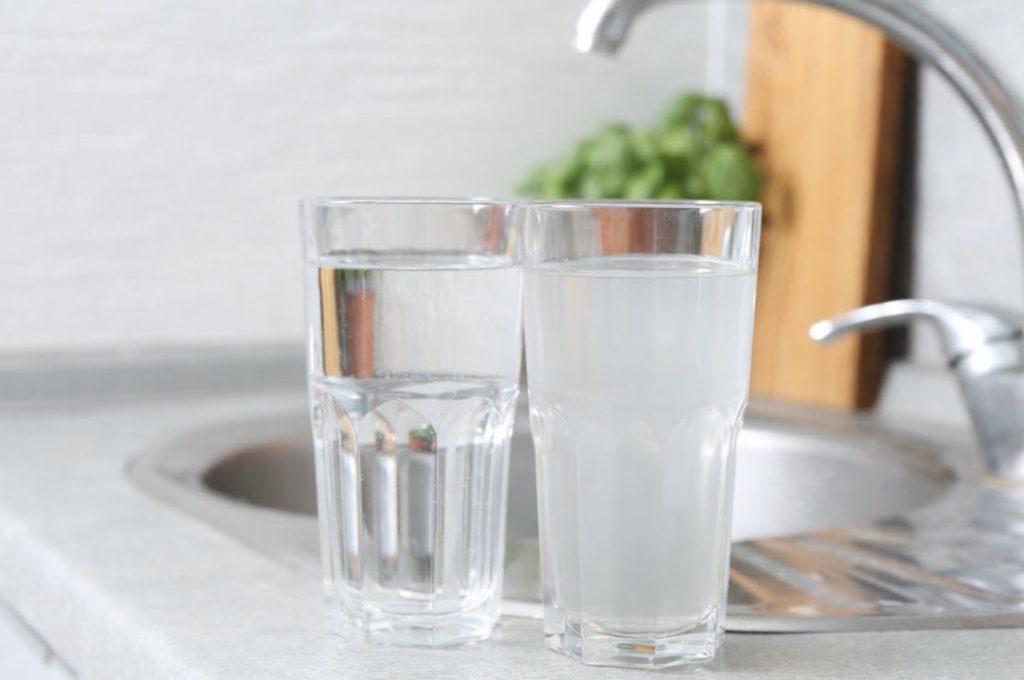
If the water is yellow, brown, or cloudy, that’s generally a sign that something is not right.
Discoloration can be caused by:
- Sediment in the Water Supply
- Corrosion within plumbing pipes
- Minerals such as iron or manganese
While a change in color does not necessarily imply that your water is of poor quality, it can be a symptom of a problem that can discolor your plumbing fixtures, clog your pipes, and reduce the lifespan of your appliances. Discoloring water is a good reason for you to consider having your water quality tested and your plumbing system checked.
2. Unpleasant Taste or Odor
Water should not smell or taste like sulfur, metal, chlorine, or chemicals. If it does, then there’s something in it that shouldn’t be, or at least something that can be treated.
Common causes include:
- Chlorine is used in municipal water treatment
- Sulfur compounds that create a “rotten egg” smell
- Dissolved metals affecting taste
Though water meets the required safety standards, in some cases, taste and odor problems make it unpleasant for consumption and use in food preparation. The intended use can be linked to improvements in terms of both usability and quality.
3. Staining on Sinks, Toilets, and Tubs
Orange, brown, green, or bluish stains around fixtures are more than just a cleaning problem.
These stains often indicate:
- Iron or manganese present in the water
- Copper corrosion
- Mineral-rich water
However, over time, these same minerals may accumulate in household plumbing and appliances. That buildup can reduce efficiency and lead to more frequent plumbing repairs if left unaddressed.
4. Scale Buildup on Faucets and Appliances
White, chalky residue on faucets, showerheads, or inside appliances themselves is the most common sign of hard water.
Hard water has higher concentrations of certain minerals, like calcium and magnesium.
Hard water is not dangerous to drink, but it can:
- Reduce water flow
- Reducing the life of water heaters and other appliances
- Make soaps and detergents less effective
A water treatment system designed specifically for hard water needs can minimize scale formation and help prevent problems with your plumbing.
5. Low or Inconsistent Water Pressure
Sometimes, low water pressure does not indicate a water supply problem. It can also be caused by the presence of minerals or sediments within the water pipes.
As the deposits build up, they reduce the internal diameter of the plumbing lines, hindering the flow. Water treatment may aid in the slowing down of this process, especially where the household plumbing is old or the water supply is naturally rich in minerals.
Why Water Quality Issues Are Easy to Miss
Some water problems are not critical enough to cause failures, but rather:
- Plumbing system performance
- Appliance efficiency
- Fixture lifespan
- Overall water experience in the home
For instance, some contaminants, like PFAS otherwise called “forever chemicals”, are not detectable by our senses, meaning they cannot be seen, smelled, or even tasted, which explains why water testing is crucial. Specialized solutions for water filtration play an essential role in eliminating contaminants.
How Water Treatment Can Help
Water treatment solutions vary. The right system depends on:
- Your water source (city or well)
- Test results
- Plumbing layout
- Household water usage
The options might be complete residential water filtration systems, water softening systems, or individual systems that are designed to combat certain water contaminants. The goal is not just cleaner water, but better long-term protection for your home’s plumbing system.
When to Take the Next Step
If you notice any of the following signs or if you have concerns about what is in your water, testing your water is a good place to start. Knowing your water quality will help you make informed choices, rather than guess what might happen or wait until damage has already been done.
At Putman Plumbing, the purpose of the water quality services is to provide homeowners with opportunities to understand what’s coming into their homes and what makes sense in regard to it.
If you want to know more about Putman Plumbing and our services, you can visit our website. If you’re already a member of the Putman Plus Club, having your pipes inspected can also help you detect signs of water-related issues before they become big problems. Contact us now and learn more about our products and services.